When I was a kid, I always wanted to be a doctor. I mean I didn’t really, I just thought I did. I was obsessed with this big, fat book my parents owned, which sat on the bookshelf in our living room. It was a medical encyclopaedia, an atlas of the body and all its wondrous processes and mysterious biological magic. I loved that book so much. I would pore over it for hours on end, and I knew it back to front, which is why I was able to plagiarise from it so frequently and extensively for essays and projects throughout primary school and my early years of high school. I was so in thrall of the inner workings of the human body, that, even though not a lot of thought went into it, it kind of seemed like a no-brainer that I should, of course, go to medical school and become a doctor.
English was my best subject in high school, closely followed by Physical Education, which I studied up until Year 12. I loved English, because I loved writing. And I loved PE because I loved learning about the human body. Biomechanics, anatomy, human physiology. I learned about how muscle fibres contract, aerobic versus anaerobic respiration, all the systems of the body including skeletal, muscular, cardiovascular, respiratory, digestive and reproductive. I learned about stimulus-response incompatibility, the psychological-refractory period, the single-channel theory and other brain-body functions. Learning about the human body never felt like work to me, it felt like a gift, and I suppose that added fuel to the whole doctor fantasy.
As it turned out, however, I didn’t really want to be a doctor after all. And I certainly wasn’t smart enough, or motivated enough, to make the grades required to get into medical school anyway. The hours I should have spent studying maths, chemistry and biology in high school were hours I spent writing poetry, short stories and love letters instead. So when I got my Year 12 results I wasn’t at all surprised that they were well short of the scores required for medicine. Stubbornly and mindlessly holding onto the ridiculous notion of one day getting into med school, I applied for a Bachelor of Science degree at Monash University with the idea of excelling in my first year and then transferring to a degree in Medicine. I really should have applied for a Bachelor of Arts instead, because hahaha, I did not excel. Not at academic pursuits anyway. I did learn how to play a skillful game of poker though, so it wasn’t a total waste of time.
The dream of becoming a doctor was slowly beaten out of me by reality (thank fuck), and I dropped all interest in the human body for many years. Until about four or five years ago. Which is when I started aching. First it was my elbows, fingers and wrists, and then the aches migrated to my ankles, knees and hips. I went to several doctors and they all told me that it was just good old wear and tear, and that I was at the age now where shit just all starts sliding downhill. And I accepted that. Coz… doctors!! They know what they’re talking about, right? Actually, no. I’m going to let you in on a little secret. They don’t know what they’re talking about. They really don’t. They mean well, but they are not the be-all and end-all.
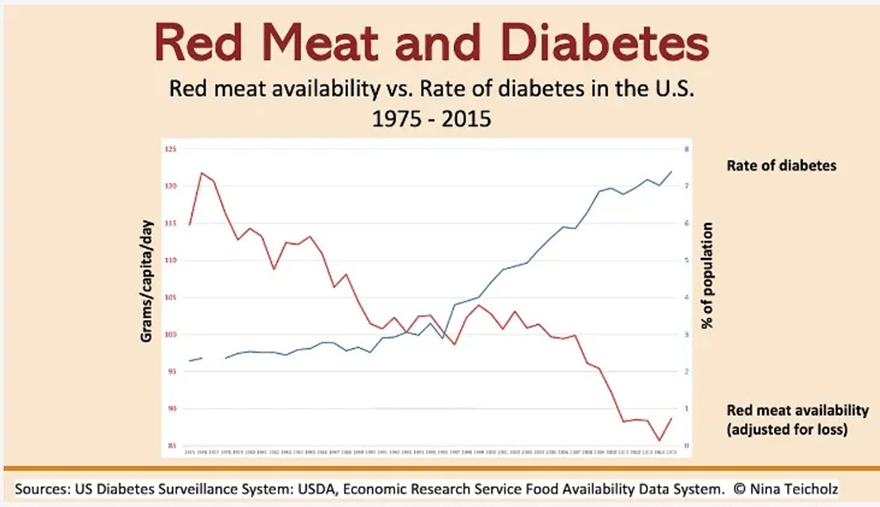
It was a bit of an epiphany when I realised that doctors are fallible because they are taught things in medical school that are either based on unchallenged junk science, or on science that hasn’t been updated in 50 years. I think the first time my respect for doctors was seriously challenged was when I did the thirty day carnivore experiment a little over three years ago. As always I did a metric shit tonne of research for that ejo, and what I learned shook my foundations. I learned that the Dietary Guidelines for America (which inform those of the rest of the world) are based on very little science at all. I learned that eating from the food pyramid actually causes rather than prevents obesity, heart attack and diabetes. I learned that high cholesterol is not bad for you, and yet statins are the most prescribed medication in the world. And I learned that red meat is unjustly vilified, so why on earth would I listen to a doctor who tells me I need to stop eating red meat when I look at charts like this:
So I started getting interested in the body again. Especially my body. And what I’ve done since is just step off the medicine wheel. I no longer want to do the things that allopathic medicine says I need to do in order to be healthy. I don’t want to take medicine for high cholesterol, because I know that high cholesterol is protective, rather than something to freak out about, especially for people my age. I don’t want to have to eat fibre, because I know that fibre is useless (and in a lot of cases, actually harmful). I don’t want to reduce my salt intake, because I know that salt doesn’t increase blood pressure.
Over the last few years I’ve really enjoyed the freedom to pursue the best health for myself by completely ignoring what doctors say, and exploring outside of the constrained realms of modern medicine. I’m at a stage in my life where I want to experiment with improving my own health. I want to try the kinds of things that I would have laughed and scoffed at, or just dismissed out of hand, in my youth. Stuff that I would have considered woo-woo or as having no scientific basis. Coz why the fuck not? What have I got to lose? Modern medicine has its place, for sure, but unless I’m in need of surgery or life-saving treatment I’m no longer interested in allopathy as a source of information for my general health and well-being. I don’t want to be prescribed pills, thank you very much. For anything. Ever. My health is in my own hands, and that is so empowering.
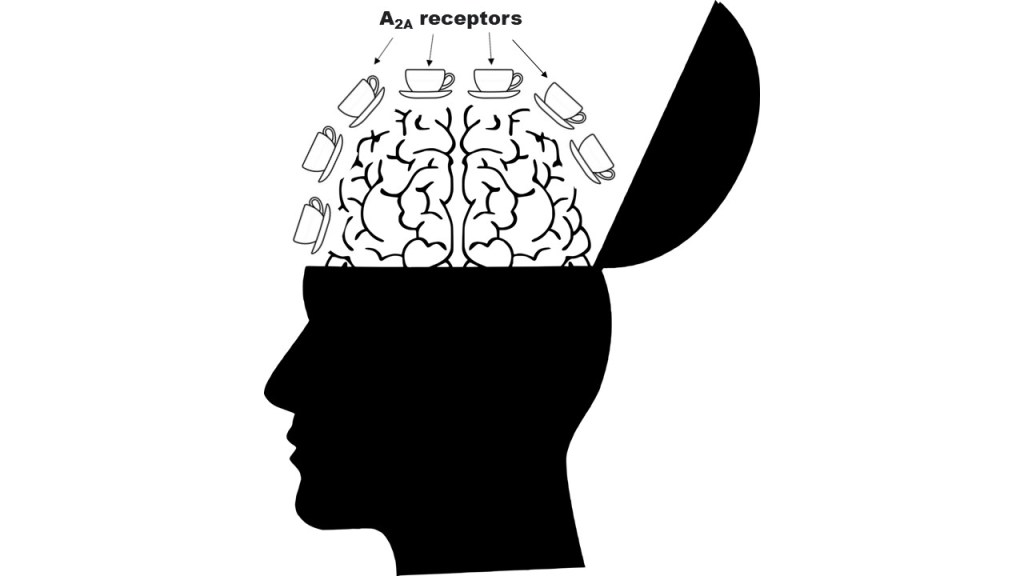
So yeah, I’ve tried some weird shit. The carnivore diet is pretty weird, but it works for me. Coffee naps are weird, but they work for me. Cold showers are very weird, but they work great for me. Getting early morning sunlight in my eyes to help me sleep better that night is weird, but it works for me. Putting red filters on my phone and computer at night to block out all the blue light also works. And yes, it’s also weird. But if it works, who cares!!
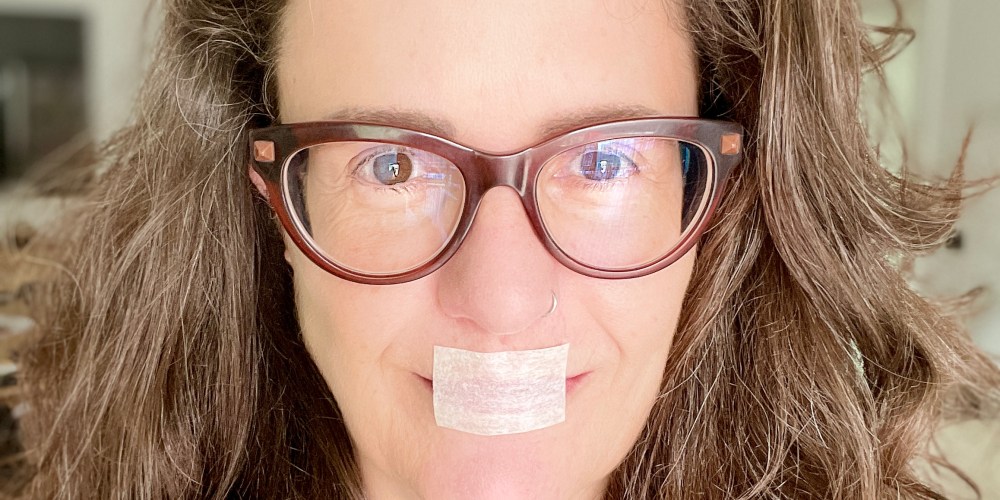
Another weird little bio-hack that I want to talk about, that I started doing a couple of years ago, was taping my mouth shut at night. Yes, I know I’m probably getting some strange looks from some of you about this one. But I swear there’s something about it that is very comforting and very calming, and which is amazing for helping me go to sleep. And not only that, there is a lot of evidence to suggest that nasal breathing is far superior to mouth breathing for lots of other reasons. Not just when you’re sleeping.
I’ll admit I first came across mouth taping on Instagram accounts that I follow for carnivore tips. At first I just ignored it as one of those weird, wellness, social-media fads that has no basis in science at all. I mean, for very good reasons I do not normally get my health advice from Instagram. But then I listened to a podcast by Dr. Andrew Huberman where he delved into the reasons why it might actually be a good idea to try it. So I tried it. And I slept like a baby. In fact, the first time I taped my mouth for the whole night was the first time in a very long time that I didn’t need to get up four or five times to go to the toilet. Two years later, I’m still sleeping like a baby. And I tape with wild abandon. I tape at night, I tape for my twenty minute coffee naps, and I tape at work on the night shift during my two hour breaks. If I don’t tape my mouth before sleeping, I feel weird, I feel naked. But you know what the funny thing is? If I do happen to find myself without tape, I now sleep with my mouth closed anyway. I’ve trained myself to keep my mouth shut whether it’s taped or not! And that’s actually the goal, to become a natural nasal breather.
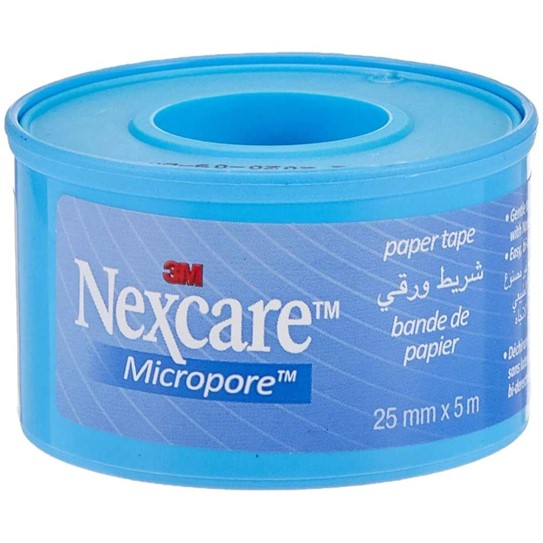
If you have any breathing issues like sleep apnoea, collapsed nostrils, chronic sinusitis or a deviated septum it’s probably a good idea to check with your doctor before trying mouth taping, but if you’re relatively healthy and just looking for a good night’s sleep I reckon you can do what I did and just give it a shot. Make sure you get special medical tape, and don’t even think about using masking or gaffer tape unless you want to rip the skin off your face. And you don’t have to wrap the tape all the way around your head like a mummy. You’re not trying to seal your mouth, just keep your lips together, so a small strip is more than adequate. David and I use 3M Nexcare Micropore (2.5cm) tape, which is recommended by people in the know. It’s super cheap, flexible and doesn’t irritate our skin.
We’re basic bitches.
So, what’s the point? Sure, there aren’t a lot of large scale studies on the benefits of mouth taping, but there are a couple of small ones which do show significant improvement in sleep, particularly in those who suffer from obstructive sleep apnoea. According to Dr. Huberman, nasal breathing allows for greater lung inflation by increasing resistance to breathing. And it increases the production of nitric oxide six-fold. Nitric oxide is a miracle molecule that you want to (naturally) produce as much of as possible. It increases oxygen uptake and lowers blood pressure. And it does that because it’s a vasodilator, it dilates the blood vessels. So, for those of you guys who might be having a little trouble in the trouser department (wink wink, nudge nudge), nitric oxide is the molecule that is released by Viagra to help with erections. And you can get the same effect just by becoming a nasal breather. I told you it was a miracle molecule!! And if that’s not enough, nitric oxide also kills viruses. Whaaat? Is there anything it can’t do?!
Breathing through your nose filters out all the airborne shit flying around in the air and keeps your nasal and respiratory passages moist. This sounds gross, but trust me you want them to be moist. When air enters your lungs via your nose, it’s been warmed and humidified and purified, which allows for a better exchange of oxygen and CO2 when it hits your lungs. Not only that, it helps to prevent the spread of infection, it reduces snoring (which impacts the quality of your sleep), and improves dental hygiene and facial alignment. In contrast, chronic, habitual mouth breathing has the potential to negatively impact respiratory function and can even result in aesthetic changes to your face (psst… not for the better). James Nestor, author of the book “Breath: The New Science of a Lost Art”, says, “Inhaling air through the mouth decreases pressure, which causes the soft tissues in the back of the mouth to become loose and flex inward, creating less space and making breathing more difficult”. So why would you breathe through your mouth?
In 2018, Nestor participated in an experiment in which he blocked his nose for ten days in order to see what impact mouth breathing would have on his health markers and feelings of wellbeing. Five years later he says he is still suffering PTSD from being forced to breathe through his mouth 24 hours a day. He also says that it triggered almost immediate hypertension and obstructive sleep apnoea. His cortisol levels skyrocketed, and his heart rate variability took a dive. And he went from not snoring at all to progressively snoring for most of the night, which of course affected the quality of his sleep. Immediately after that experiment, he switched to ten days of nasal breathing (helped along with mouth taping at night) and he said his health went from completely wrecked to completely normal, just by changing the pathway through which he breathed air. In other words, breathing through your nose is the best default state for respiration. So if you can train yourself to be a nasal breather, like I did, you’ll see lots of benefits beyond a good night’s sleep.
It is a little scary at first, taping your mouth shut when you’re going to sleep. Like, am I going to be able to breathe? Am I going to die in my sleep? The answer to that is no, you’re not going to die. Your body is a marvellously high-tech, fine-tuned instrument and, even if you have a blocked nose, it can sense that your mouth is closed and will always clear a nasal passage for you to be able to breathe (this might not be true of everyone, but it does apply to most people). I was even able to tape my mouth shut when I had covid, during which my nose was so blocked that absolutely no air was going in or out. Remarkable, huh? I’d tape up and lie down and boom, I could suddenly breathe through my nose. Sometimes it took a few minutes to unclog and clear up properly, but it always did. And the other great thing about taping during covid was that even though I had a terrible cough, I never coughed at night.
If you’re a bit nervous about asphyxiating in your sleep (which I promise you, will not happen), you can place the tape vertically, rather than horizontally, which will allow you to breathe through the sides of your mouth, even as your lips are encouraged to sit together. Another tip is to start taping while you’re awake, just to get used to the idea. Build up to it, starting with ten minutes a day. Then half an hour. Whatever it takes to acclimate to it. And then you can start taping at night, and realise all the wonderful health benefits of nasal breathing. If you do try this, I would really love to hear about your experience so please shoot me an email and let me know how you went.
Happy new year, goodnight and sweet dreams.





 Chryss In Dubai